Buy ingredients that overlap
The easiest way to waste money in the kitchen is to buy ingredients with a
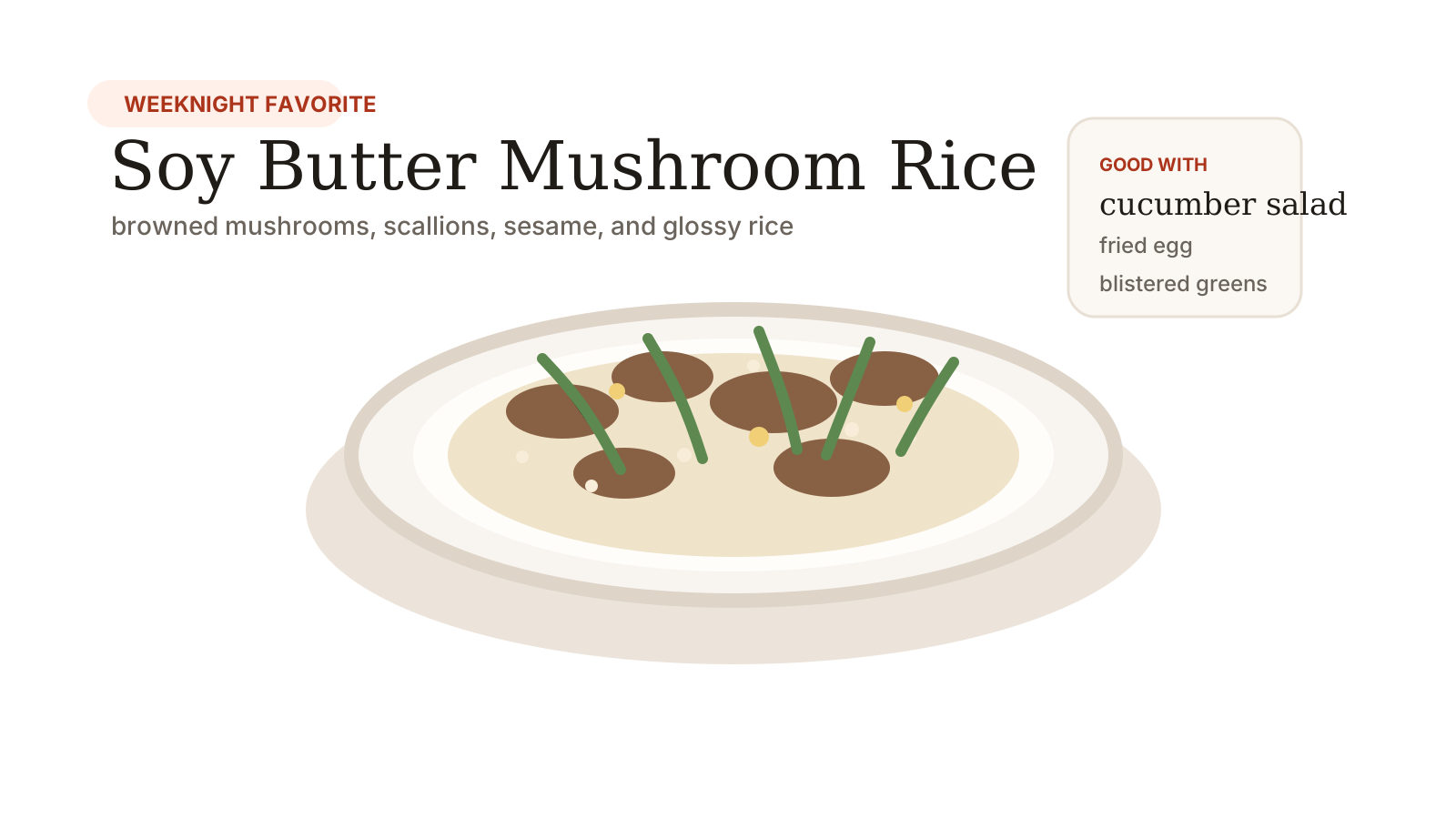
single narrow purpose. A calmer system starts with overlap. Soy sauce seasons
rice bowls, marinades, sautéed greens, and cold cucumber salads. Rice vinegar
wakes up sauces, dressings, and quick pickles. Sesame oil changes the finish
of a dish with only a few drops.
Once you notice that a few ingredients can move across many meals, weeknight
cooking becomes less theatrical. Instead of asking what recipe to shop for,
you start asking what combination you can build from the same core pieces.
Build around rice, eggs, tofu, and mushrooms
A small pantry works best when the shelf ingredients match a few reliable
fresh ingredients. Rice is the anchor. Eggs make almost anything feel like a
meal. Tofu is affordable, fast, and forgiving. Mushrooms give depth without
requiring stock or long simmering.
None of these ingredients are exciting on their own, which is exactly why
they are useful. They accept seasoning well and recover gracefully if dinner
planning happened late.
Keep the finishing layer simple
Many home cooks overbuy condiments when what they really need is a better
finishing habit. Scallions, black pepper, sesame seeds, and sesame oil do
more daily work than a shelf full of novelty sauces.
If a meal tastes flat, the answer is often contrast rather than complexity:
more acid, more pepper, or a cold side dish next to a warm bowl. That is one
reason Kkuek pairs pantry notes with recipes instead of treating them as
separate worlds.